

In a world where social media reigns supreme, social campaigns have become the superheroes of marketing. They swoop in to save brands from the clutches of obscurity, wielding hashtags and viral content like capes. With the right strategy, they can transform a simple message into a movement that resonates with audiences far and wide.
Overview of Social Campaigns
Social campaigns harness the power of social media to drive engagement and spread messages. Their design emphasizes connection, movement, and audience interaction.
Definition and Purpose
Social campaigns represent strategic efforts designed to promote a specific message or goal via social media platforms. These initiatives aim to increase brand awareness, generate user engagement, and mobilize communities. Posts, videos, and images create a narrative that resonates with target audiences. Campaigns employ hashtags and call-to-action phrases to encourage users to participate and share their experiences. By fostering conversations, brands connect with their audiences in meaningful ways, driving both loyalty and action.
Historical Context
Social campaigns emerged as digital communication transformed marketing landscapes in the early 2000s. Platforms like Facebook and Twitter provided businesses with new avenues for outreach. Marketers quickly recognized the potential for viral content to enhance brand visibility. Notable examples include the Ice Bucket Challenge in 2014, which raised significant funds and awareness for ALS. Trends in social campaigning reflect consumer behavior shifts towards social responsibility and authenticity. Over time, brands have adapted their approaches, leveraging data analytics to refine targeting and effectiveness in campaigns.
Types of Social Campaigns
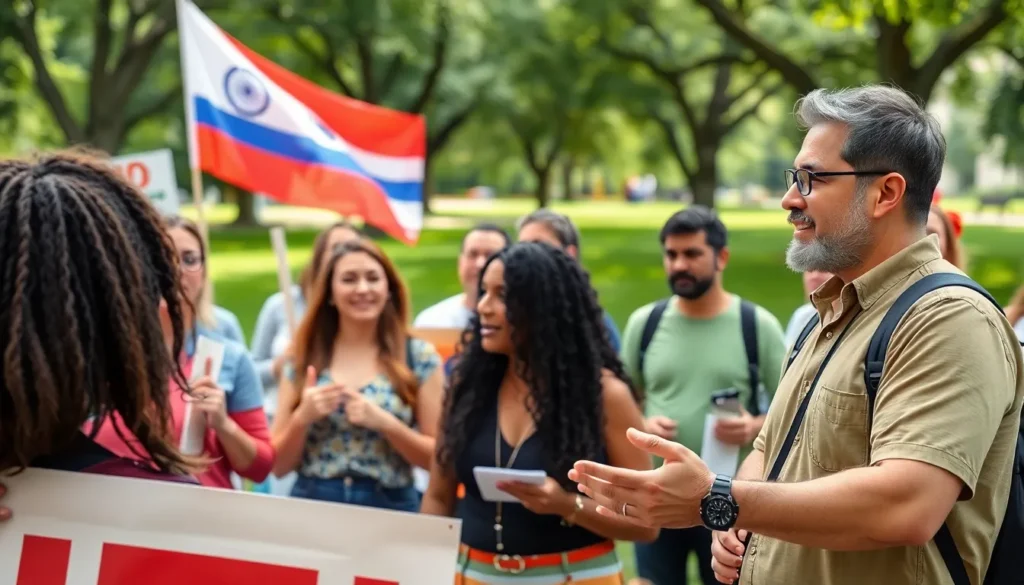
Social campaigns play various roles in shaping public perception and driving change. Each type of campaign targets specific objectives and engages audiences in unique ways.
Awareness Campaigns
Awareness campaigns focus on educating the public about issues or causes. They prioritize spreading information through informative posts, sharable graphics, and engaging videos. These campaigns aim to inform audiences about topics like health, climate change, and social justice. For example, campaigns promoting mental health awareness often utilize statistics and personal stories to connect with viewers. Many organizations leverage social media platforms to reach broad audiences quickly. Through hashtags, participants can share personal experiences and encourage conversations around important topics.
Fundraising Campaigns
Fundraising campaigns concentrate on generating financial support for causes and organizations. They often include compelling calls to action that encourage donations through shareable content and live events. These campaigns typically highlight specific projects, showcasing the impact of contributions. The Ice Bucket Challenge illustrates effective fundraising, raising over $220 million for ALS research. Engaging followers with clear goals and updates can significantly enhance donor trust. Increasingly, fundraising campaigns utilize various multimedia elements to visually represent progress and create emotional connections with potential donors.
Key Components of Successful Social Campaigns
Successful social campaigns depend on understanding the target audience and crafting a compelling message. These foundational elements drive engagement and foster connections with broader communities.
Target Audience Analysis
Target audience analysis involves identifying individuals most likely to resonate with the campaign. Demographics, interests, and online behavior play key roles in shaping this understanding. Marketers collect data using various tools such as surveys and social media analytics. This information helps tailor the campaign to address specific needs and preferences. Focusing efforts on the right audience enhances engagement and maximizes the campaign’s impact. Brands effectively allocate resources to reach their audiences by pinpointing the characteristics and values that matter.
Message Development
Message development centers on creating content that resonates deeply with the audience. Marketers must identify key themes and emotions that evoke strong responses. Delivering a clear and concise message strengthens overall campaign effectiveness. Whether humorous, inspirational, or informative, the tone should align with the brand’s identity. Utilizing storytelling techniques captivates the audience’s attention and encourages sharing. Various formats, including videos, infographics, and blog posts, enhance message delivery. Establishing a strong narrative adds depth and fosters a personal connection between the audience and the campaign.
Effective Strategies for Social Campaigns
Effective social campaigns leverage strategies that enhance engagement and reach. Using social media platforms effectively and engaging with influencers can significantly impact campaign success.
Utilizing Social Media Platforms
Choosing the right social media platforms is crucial for reaching target audiences. Different platforms cater to various demographics, making market research essential. For instance, Instagram serves a younger crowd, while Facebook appeals to an older demographic. Tailoring content for each platform maximizes visibility and engagement. Posting frequently and utilizing features like stories, polls, and live sessions can foster interaction. Hashtags also play a vital role, as they help increase discoverability and connect campaigns with broader conversations. Analytics tools provide insights into audience behavior, enabling real-time adjustments that enhance effectiveness.
Engaging with Influencers
Partnering with influencers can amplify a campaign’s message and broaden its reach. Choosing influencers whose values align with campaign objectives is critical. Authentic endorsements resonate more deeply with audiences than paid promotions. Collaboration might involve product placements, co-creating content, or hosting events together. Such partnerships leverage the influencer’s credibility, translating into trust for the campaign. Micro-influencers often yield high engagement rates, making them valuable for targeted outreach. Monitoring influencer impact through engagement metrics ensures that collaborations yield positive results.
Social campaigns have transformed the landscape of marketing by fostering genuine connections between brands and their audiences. They highlight the power of storytelling and community engagement in driving social change and raising awareness. As brands continue to adapt to evolving digital trends and consumer expectations, the focus on authenticity and social responsibility will only grow stronger.
By leveraging data analytics and understanding their target audiences, marketers can craft campaigns that resonate deeply and inspire action. The future of social campaigns lies in their ability to create meaningful narratives that not only promote products but also contribute positively to society. Embracing this approach ensures that brands remain relevant and impactful in an ever-changing digital world.