
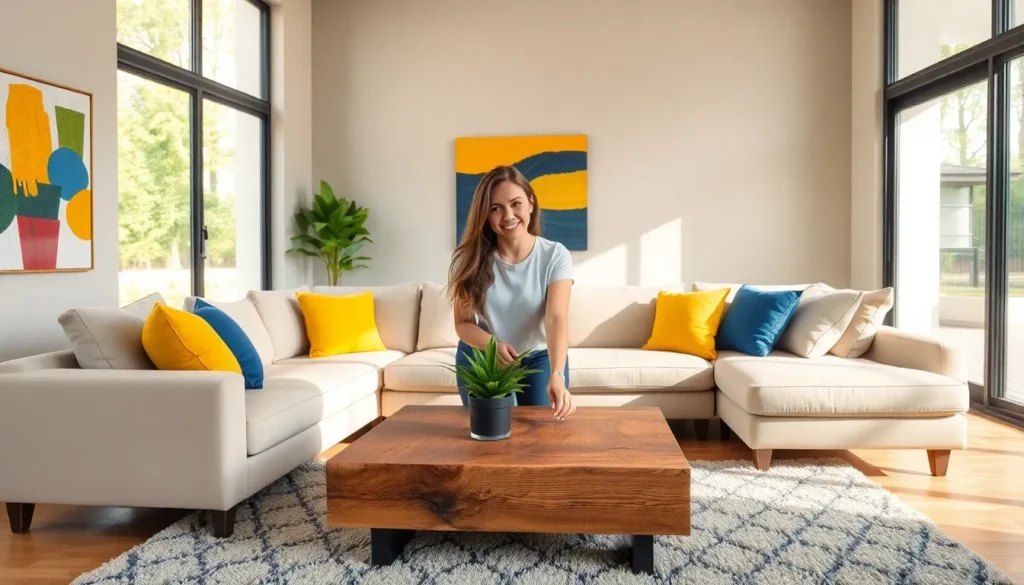
In a world where first impressions matter, the right interior design can transform a mundane space into a masterpiece. Whether it’s a cozy nook or a sprawling living room, the latest trends can breathe new life into any corner of a home. Who wouldn’t want their space to reflect their personality while keeping up with the times?
Overview of Interior Design Trends
Current interior design trends emphasize a balance between functionality and aesthetics. Minimalism remains popular, characterized by clean lines and uncluttered spaces that promote a sense of calm. Natural materials, such as wood and stone, feature prominently, bringing warmth and authenticity into homes.
Sustainable design practices gain traction, with an increasing focus on eco-friendly materials and energy-efficient solutions. Homeowners prefer furnishings made from recycled materials or sourced locally. Bold color palettes also make statements, infusing energy and character into living spaces. Deep greens and rich blues stand out alongside softer neutrals, creating dynamic color combinations.
Smart home technology integrates seamlessly with stylish designs, allowing homeowners to manage lighting, climate, and security with ease. Smart systems enhance comfort while maintaining an elegant aesthetic. Customization offers more personal touches; bespoke furniture and tailored layouts cater to individual needs and tastes.
Biophilic design trends encourage a strong connection to nature. Incorporating plants and green walls improves air quality and enhances overall well-being. Flexible spaces also gain importance, providing adaptable environments that cater to various activities and lifestyles.
Artisanal craftsmanship re-emerges, showcasing unique, handcrafted pieces that add character to interiors. These one-of-a-kind items support local artisans and contribute to a more individualized home atmosphere. Overall, blending innovation, sustainability, and personal expression cultivates a vibrant and engaging interior design landscape.
Popular Color Schemes
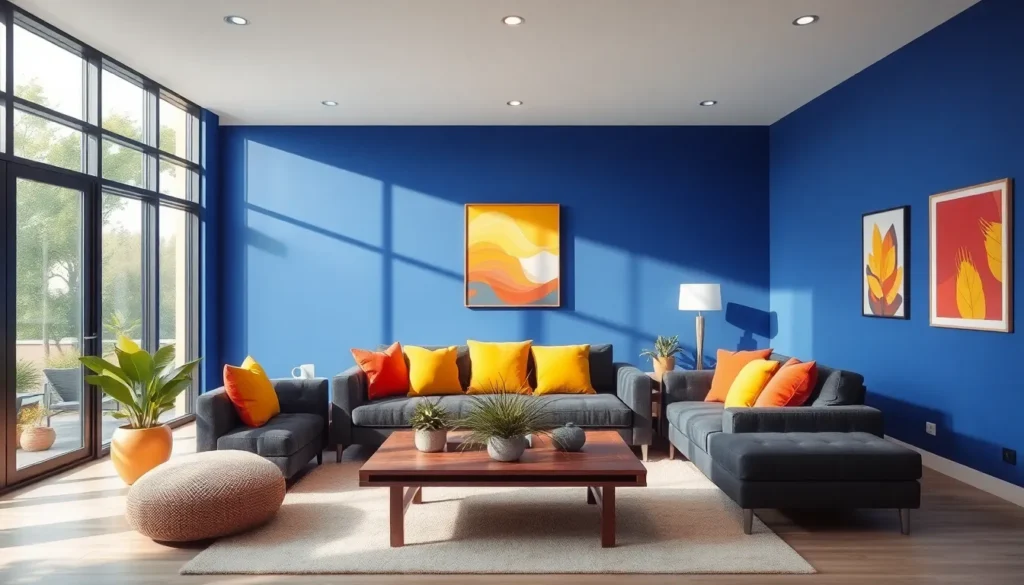
Color schemes significantly shape the atmosphere of any interior. Current preferences reflect bold, vibrant choices alongside calming, earthy palettes.
Bold Colors
Bold colors command attention and energize spaces. Bright yellows, deep blues, and vivid reds create striking focal points. These hues invite personality and creativity, transforming rooms into lively environments. Accent walls in these tones provide dramatic contrasts, enhancing existing decor. Incorporating bold artwork or furniture further emphasizes this trend. Lighting plays a crucial role, as it affects how these colors appear throughout the day. Individuals embrace these choices to make a statement while expressing their unique style.
Neutrals and Earth Tones
Neutrals and earth tones foster warmth and tranquility in home interiors. Shades like beige, taupe, and olive harmonize well with various design elements. These colors create serene backdrops, allowing other decor aspects to shine. Incorporating natural textures enhances the calming effect of these palettes. Mixing various shades of brown and green promotes a cohesive, grounded atmosphere. Spaces adorned in these tones often feel more inviting, reflecting a connection to nature. Utilizing accents in brighter colors can aid in maintaining visual interest while embracing an overall soothing ambiance.
Sustainable Design Practices
Sustainable design practices focus on reducing negative environmental impacts and promoting health in interior spaces. These practices prioritize eco-friendly materials and energy efficiency to create harmonious living environments.
Eco-Friendly Materials
Selecting eco-friendly materials significantly impacts interior design sustainability. Reclaimed wood, bamboo, and recycled glass are popular choices that minimize resource depletion. Natural textiles like organic cotton and linen also contribute to healthier indoor air quality. Furthermore, low-VOC paints and finishes enhance air quality without compromising aesthetic appeal. Interior designers increasingly opt for locally sourced materials, reducing transportation emissions while supporting local economies. Incorporating these materials not only promotes sustainability but also adds unique character to spaces.
Energy Efficiency
Energy-efficient solutions play a crucial role in sustainable design practices. Implementing LED lighting reduces electricity consumption and lowers utility bills. Smart home technology allows for automatic adjustments to heating and cooling systems, maximizing energy savings. High-performance windows and insulation techniques improve thermal efficiency, contributing to comfortable living environments. Additionally, integrating renewable energy sources, such as solar panels, can significantly decrease carbon footprints. Designers prioritize these features to create interiors that are both stylish and environmentally responsible.
Innovative Furniture and Layouts
Innovative furniture designs and layouts significantly impact modern interiors. These elements enhance both functionality and aesthetics, reflecting current design trends.
Multi-Functional Pieces
Multi-functional pieces represent a key focus in contemporary interiors. Sofas that convert into beds maximize space utility in smaller homes. Coffee tables with storage options reduce clutter, providing organization and style. Dining tables that expand accommodate larger gatherings, making them practical for social events. Custom built-in furniture, such as wall units or shelving, allows for seamless integration while fulfilling various functions. Ultimately, these versatile solutions cater to diverse lifestyle needs, ensuring ease of living without compromising on design.
Open Space Concepts
Open space concepts continue to gain popularity in interior design. These layouts promote a sense of flow, connecting various living areas such as kitchens, dining rooms, and living rooms. Utilizing fewer walls enhances natural light, creating a brighter atmosphere. Furniture arrangement plays a crucial role; strategic placements facilitate conversation and interaction. Design elements like area rugs define spaces within these open layouts, adding structure. Additionally, incorporating sliding doors or partitions allows for flexibility, granting openness when desired and privacy when needed. Overall, embracing open space concepts fosters a more inviting and social environment.
Technology in Interior Design
Technology transforms interior design by enhancing functionality, aesthetics, and overall user experience. Integration of smart solutions and immersive tools is becoming essential in contemporary spaces.
Smart Home Integration
Smart home integration elevates convenience and efficiency within interior spaces. Devices like smart thermostats, lighting systems, and security cameras work together to create a cohesive living environment. Control through smartphones or voice-activated assistants simplifies daily routines. Personalized settings, such as adjusting lighting moods or temperatures, cater to individual preferences. Data shows that homes with smart technology often exhibit higher energy efficiency, contributing to sustainability goals. Seamless connectivity between devices enhances comfort while promoting a modern lifestyle.
Virtual Reality Tools
Virtual reality tools redefine how designers and clients visualize spaces. These advanced applications allow potential buyers or residents to experience designs before actual implementation. Immersion in a virtual environment facilitates better decision-making and adjustments based on user feedback. Designers can showcase various color palettes, furniture arrangements, and decor elements, saving time and resources. Statistics indicate that projects incorporating VR tools often result in greater client satisfaction and fewer revisions. Enhanced visualizations also streamline collaboration between designers and clients, ensuring a successful design process.
Embracing the latest interior design trends can transform any space into a reflection of personal style and comfort. By balancing aesthetics with functionality individuals can create inviting environments that resonate with their lifestyle. The integration of sustainable practices not only enhances the beauty of interiors but also contributes to a healthier planet.
As bold colors and natural materials take center stage the importance of innovative furniture and smart technology cannot be overlooked. These elements work together to create cohesive and dynamic living spaces. Ultimately the world of interior design offers endless possibilities for expression and creativity inviting everyone to explore and redefine their surroundings.