
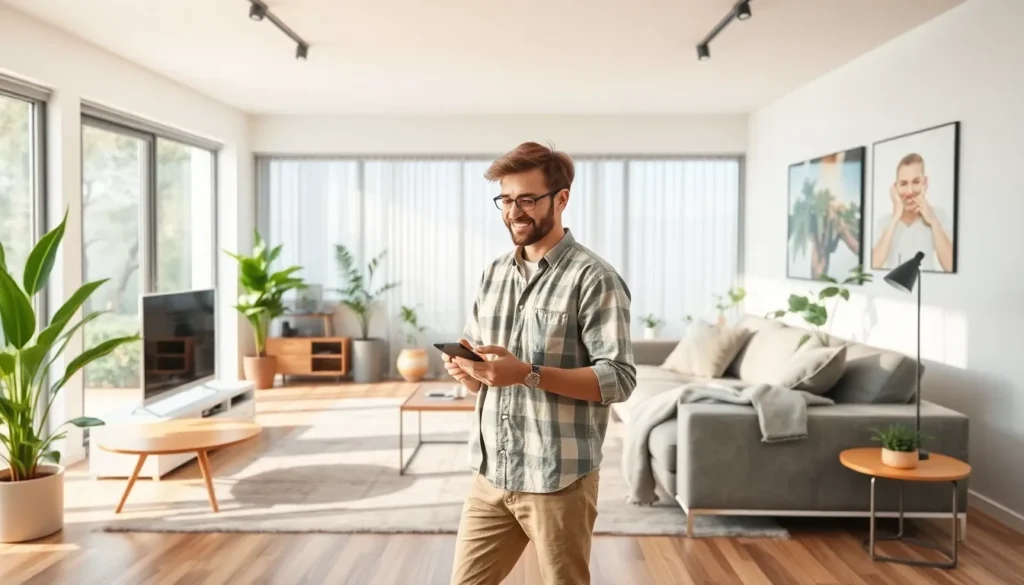
In a world where the ordinary just won’t cut it anymore, design innovations are shaking things up like a toddler with a box of crayons. From smart homes that practically read your mind to furniture that folds up like a magician’s trick, creativity is the name of the game. These innovations aren’t just about aesthetics; they’re about transforming everyday life into something extraordinary.
Imagine walking into a room and feeling like you’ve stepped into the future. That’s the magic of design innovations. They blend function with flair, making life not just easier but a lot more fun. So buckle up and get ready to explore the quirkiest, most ingenious design ideas that are redefining our spaces, one brilliant concept at a time. Who knew innovation could be this exciting?
Overview of Design Innovations
Design innovations significantly influence various aspects of life, transforming environments into dynamic experiences. New technologies integrate seamlessly into home design, enhancing efficiency and comfort. Smart homes exemplify how automation elevates daily routines, making tasks more manageable.
Multifunctional furniture represents another innovation that maximizes space and adds versatility. This type of furniture provides practical solutions for urban living, where space is often limited. Folding tables or expandable couches adapt easily to different occasions, demonstrating how design meets functional needs.
Sustainable materials play a crucial role in contemporary design. Eco-friendly choices reduce environmental impact while maintaining aesthetic appeal. Products made from recycled materials or sustainably sourced wood reflect an increasing awareness of ecological responsibility.
User-centric design focuses on enhancing the end-user experience. Thoughtful ergonomics in products like chairs or gadgets prioritize comfort and usability. This approach encourages designers to consider the diverse needs of different users, fostering inclusivity in design solutions.
Emerging technologies, including virtual reality and augmented reality, revolutionize the design process. These tools allow designers to visualize projects in immersive environments before actual implementation. Such advancements lead to greater creativity and more precise outcomes in tailored design concepts.
Overall, the relationship between innovative design and everyday living continues to evolve. Each advancement reflects a deep commitment to balancing aesthetics, function, and sustainability in shaping future environments. Observing these developments inspires continuous exploration of creative design possibilities.
Impact of Technology on Design Innovations
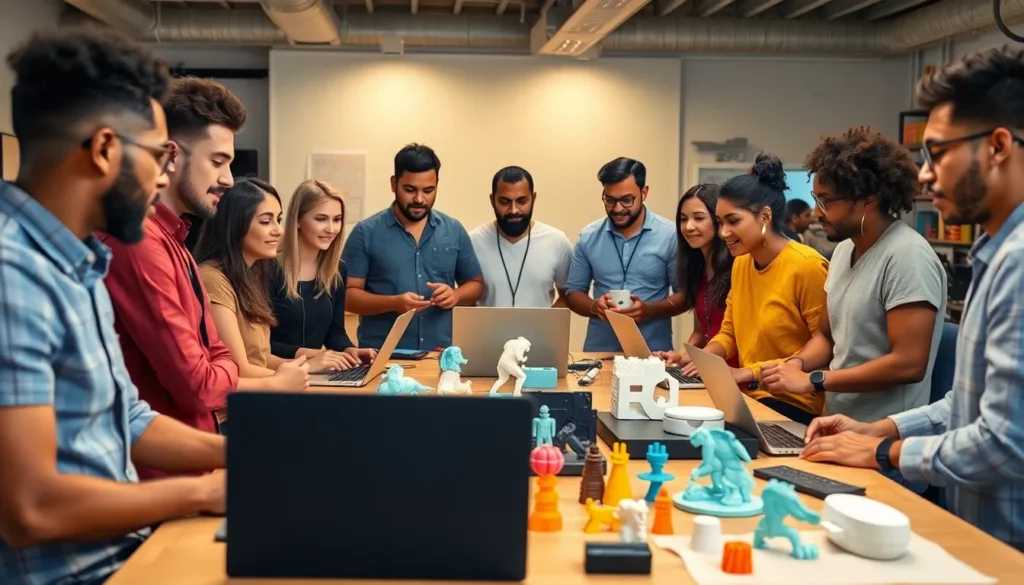
Technology profoundly influences design innovations, driving creativity and efficiency. These advances redefine how designers approach their work, integrating new tools into their processes.
Digital Tools and Software
Digital tools and software enhance the design experience. Designers utilize applications for drafting, modeling, and visualization, allowing for rapid iterations. Programs like AutoCAD and SketchUp streamline workflows, making intricate designs more accessible. Collaboration platforms enable teams to work in real-time, improving project coordination. Users can also access extensive libraries of materials and textures, helping them visualize concepts more vividly. Embracing these digital solutions results in increased accuracy and efficiency, transforming design methods for professionals.
3D Printing Revolution
3D printing introduces a new era in design. This technology enables rapid prototyping, allowing designers to create physical models quickly. With 3D printers, custom designs emerge without the constraints of traditional manufacturing. Architects and product designers benefit from the ability to test and refine ideas efficiently. Materials used in 3D printing range from plastics to metals, offering varied applications. Sustainability also gains traction, as additive manufacturing reduces waste compared to conventional methods. Innovations in this field continue to expand possibilities, making unique designs more achievable.
Sustainable Design Innovations
Sustainable design innovations are reshaping the built environment, emphasizing eco-friendly practices and efficient resource use.
Eco-Friendly Materials
Eco-friendly materials play a crucial role in sustainable design. Designers increasingly use recycled, reclaimed, and biobased materials to reduce ecological footprints. Bamboo, for instance, stands out due to its rapid growth and renewability. Recycled metals and plastics find new life in various applications, minimizing waste while adding uniqueness to designs. Low-VOC paints contribute to healthier indoor air quality. Sustainable fabrics gain popularity in textiles, promoting durability and reducing landfill waste. The conscious selection of these materials reflects a commitment to environmental responsibility, ensuring that aesthetics do not compromise sustainability.
Energy Efficiency Solutions
Energy efficiency solutions significantly enhance sustainable design. Innovations like solar panels and smart glass allow buildings to harness natural resources effectively. Integrating energy management systems enables real-time monitoring and control, optimizing consumption. Passive design principles, such as strategic window placement and thermal mass, minimize heating and cooling demands. High-efficiency appliances further contribute by reducing energy use in daily activities. Urban planners incorporate green roofs and living walls, improving insulation and fostering biodiversity. These solutions create healthier spaces while lowering energy costs, leading to long-term benefits for both inhabitants and the environment.
User-Centered Design Innovations
User-centered design innovations focus on creating experiences that prioritize the needs of individuals. These advancements enhance functionality and usability in everyday environments.
Enhancing User Experience
User experience receives a significant boost through intuitive design elements. Designers incorporate user feedback into their processes, ensuring products meet real-world needs. Visual hierarchy and clear navigation improve comprehension and interaction. Simplified interfaces allow users to achieve their goals with minimal effort. Techniques like immersive layouts and engaging aesthetics capture attention, making daily interactions more enjoyable. For instance, smart lighting adjusts to user preferences, enhancing comfort within a space. Ultimately, design innovations tailored to users’ desires create impactful experiences.
Accessibility in Design
Accessibility in design aims to remove barriers for diverse populations. Effective design accommodates users with varying abilities, enhancing overall satisfaction. Clear visual contrast and legible fonts make information easily readable. Voice-activated technology empowers those with mobility impairments, promoting independence. Moreover, physical spaces utilize adjustable furniture and wheelchair-friendly layouts for inclusivity. Tools like screen readers ensure digital content reaches everyone, regardless of disability. Thoughtful design choices expand usability and foster a sense of belonging for all individuals.
Future Trends in Design Innovations
Design innovations continue to evolve, ushering in creative and functional advancements that shape the built environment. Emerging technologies and user-centered approaches drive these exciting trends.
Virtual Reality and Augmented Reality
Technology like virtual reality (VR) and augmented reality (AR) transforms the design process. Designers utilize these tools to create immersive experiences, allowing clients to visualize spaces before they are built. In addition, VR helps in simulating user interactions within designs, offering valuable insights into usability. AR, on the other hand, facilitates real-time overlays of digital information onto physical environments, enhancing decision-making and collaboration. These technologies enable rapid feedback cycles, making it easier for designers to refine their concepts based on client preferences.
Biophilic Design
Biophilic design emphasizes a connection between nature and built environments, improving occupants’ emotional well-being. Integrating natural elements like plants, natural light, and water features fosters a calming atmosphere. Spaces designed with biophilic principles enhance productivity and creativity by creating a sense of tranquility. Furthermore, incorporating materials and layouts that mimic natural forms can boost health. The trend draws inspiration from nature, promoting sustainability while enriching user experiences through visual and sensory engagement.
Design innovations are more than just trends; they’re shaping the way people interact with their environments. By merging functionality with creativity, these advancements enhance everyday experiences and promote sustainability. As technology continues to evolve, the potential for smarter and more inclusive designs expands, paving the way for a future where comfort and efficiency reign supreme.
Emerging concepts like biophilic design and user-centered approaches highlight the importance of connecting with nature and addressing diverse needs. As individuals explore these innovative designs, they not only enrich their own lives but also contribute to a more sustainable and inclusive world. The journey of design innovation is ongoing, promising exciting possibilities for all.