
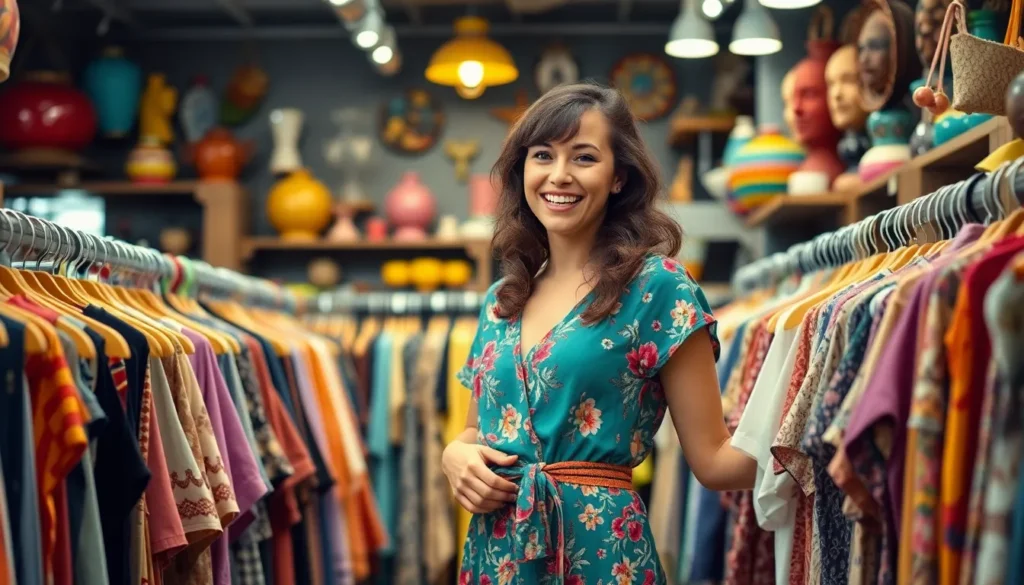
In a world where shopping often feels like a high-stakes game of Monopoly, thrift stores are the hidden gems waiting to be discovered. Picture this: you stroll through aisles lined with unique finds, each piece telling a story that beats the mass-produced monotony of fast fashion. Thrifting isn’t just about saving a few bucks; it’s an adventure that can transform your wardrobe and your wallet.
Understanding Thrift
Thrift embodies the practice of purchasing used goods, often from thrift stores or second-hand markets. Shoppers seek unique items, standing in stark contrast to the mass-produced nature of standard retail outlets. Discovering vintage clothing, unique home décor, and rare collectibles creates excitement that high-street shopping often lacks.
Environmental sustainability plays a crucial role in the thrift movement. Reducing waste through repurposing and reusing items contributes positively to the planet. The fashion industry faces severe scrutiny; it generates substantial waste and consumes immense resources. Thrifting helps individuals combat this issue while enjoying the thrill of the hunt.
Economic benefits drive many people toward thrift shopping. Items often range from 50% to 90% cheaper than new counterparts. Budget-conscious shoppers find it easier to build diverse and stylish wardrobes without significant financial strain.
Community engagement also thrives within thrift culture. Many thrift shops support local charities or non-profits, providing funds for community programs. Shoppers not only find affordable treasures but also contribute to meaningful causes.
Trendy styles often emerge from thrifted finds. Influencers increasingly showcase their unique outfits, encouraging others to explore thrift stores. Social media platforms amplify this trend, inspiring a new wave of thrift enthusiasts to join the movement.
Overall, thrift serves as a multifaceted concept. It encompasses sustainability, cost-effectiveness, and creativity, making it an appealing alternative to conventional shopping methods. Understanding thrift allows individuals to enjoy shopping while supporting their values and interests.
Benefits of Thrift
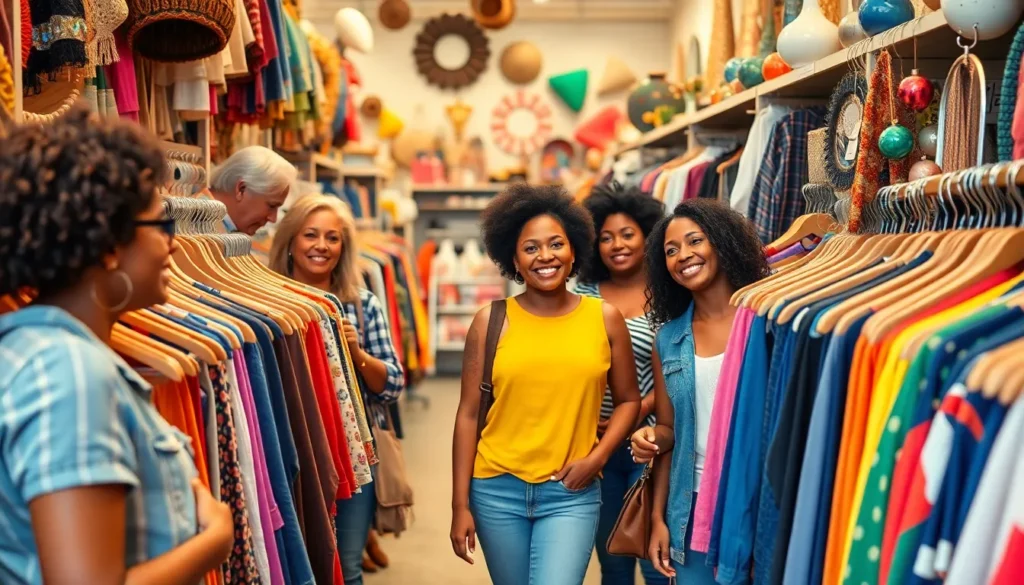
Thrift shopping offers notable advantages that extend beyond just unique apparel and décor. These benefits include significant financial savings and a positive environmental impact.
Financial Savings
Thrift stores present an opportunity for remarkable savings on a variety of items. Prices at these shops often range from 50% to 90% lower than new retail counterparts. Shoppers can find high-quality clothing, furniture, and accessories without overspending. Many individuals successfully build diverse wardrobes and home styles while remaining budget-conscious. Additionally, thrifting enables the purchase of unique items that often don’t fit into standard retail pricing models. Savvy shoppers frequently discover valuable collectibles and brand-name merchandise at a fraction of the cost. Overall, this affordability allows individuals to express style without financial strain.
Environmental Impact
Thrift shopping significantly contributes to environmental sustainability. Opting for secondhand goods reduces waste and decreases the demand for fast fashion production. By purchasing thrifted items, individuals help prolong the lifespan of products and minimize landfill contributions. The process of thrifting encourages a mindset focused on reusing and recycling resources. Furthermore, supporting thrift stores often aids local charities, amplifying the benefits to the community. Shoppers also decrease their carbon footprints by avoiding new manufacturing processes. Ultimately, embracing thrift culture promotes responsible consumption and fosters a more sustainable lifestyle.
Popular Articles on Thrift
Numerous insightful articles explore the world of thrift shopping, offering valuable information and inspiration for enthusiasts. Each piece highlights unique aspects and experiences associated with thrifting.
Top Five Articles to Read
- The Thrifting Handbook: This comprehensive guide covers essential tips, tricks, and strategies for navigating thrift stores, ensuring an enjoyable shopping experience.
- Sustainable Fashion Revolution: This article discusses how thrifting contributes to sustainable fashion movements, emphasizing the role of secondhand shopping in reducing waste.
- Thrifting for Vintage Treasures: This piece explores the thrill of hunting for vintage items, providing insights on spotting hidden gems that carry unique stories.
- Community Impact of Thrift Stores: This article highlights the charitable contributions made by thrift shops, showcasing their support for local organizations and initiatives.
- Outfits That Inspire: This vibrant collection of thrifted outfit ideas demonstrates how individuals can create stylish looks while promoting personal expression through sustainable fashion.
Key Takeaways from Each Article
Insights from “The Thrifting Handbook” emphasize the importance of preparation and patience during shopping trips. Understanding sustainable practices in “Sustainable Fashion Revolution” reveals how thrift shopping aids in environmental conservation. The thrill of discovering rare finds highlighted in “Thrifting for Vintage Treasures” encourages enthusiasts to explore active shopping techniques. Recognizing the impact on the community discussed in “Community Impact of Thrift Stores” encourages shoppers to contribute to local causes. Finally, “Outfits That Inspire” demonstrates the creativity inherent in thrifting, providing stylish inspirations that resonate with individual personality.
Practical Tips for Implementing Thrift
Thrifting requires a blend of strategy and patience to maximize the experience. Start by defining a specific goal for each trip, whether it’s seeking vintage clothing, unique home décor, or collectibles. Visiting a variety of thrift stores increases exposure to diverse items, enhancing the likelihood of finding treasures.
Preparation becomes essential for successful thrifting. Wear comfortable clothing and sturdy footwear for extended store browsing. Bringing reusable bags is also a smart move, ensuring easy transport of acquired items.
Understanding store layouts can make a significant difference. Focus on key sections such as women’s, men’s, children’s, and home goods to save time. Browsing the accessories section often reveals hidden gems that complete outfits.
Patience stands as a virtue in the thrift shopping journey. Take time to comb through racks and shelves since valuable pieces may hide beneath less appealing items. Don’t hesitate to check back frequently; inventory updates may yield new finds.
Budget setting enhances the thrifting experience. Allocating a specific dollar amount for each shopping trip helps prioritize spending and encourages mindful purchases. This financial strategy allows for smarter choices while exploring.
Lastly, engaging with store staff can provide helpful insights. Employees often possess knowledge about incoming inventory or special sales, giving shoppers an edge. Connecting with local thrift communities online can provide additional tips and foster camaraderie among thrift enthusiasts.
Implementing these practical tips enriches the thrifting experience, supporting sustainable fashion while enabling shoppers to build diverse wardrobes.
Thrift shopping offers a unique blend of adventure and practicality that resonates with many individuals today. The thrill of uncovering rare finds and the satisfaction of supporting sustainable practices make it an attractive option for conscious consumers. By embracing thrift culture, shoppers not only enhance their wardrobes but also contribute to their communities and the environment.
With the insights and tips provided, anyone can embark on their own thrifting journey equipped with the knowledge to make the most of each outing. This approach fosters creativity and personal expression while promoting a more sustainable lifestyle. As the thrift movement continues to grow, it invites everyone to experience the joy of secondhand shopping and the stories behind each item.